Iași has no single compact centre but several nuclei at different heights — the direct consequence of a city built on hills. The guide below is ordered by how likely you are to end up there, not alphabetically.
The central areas
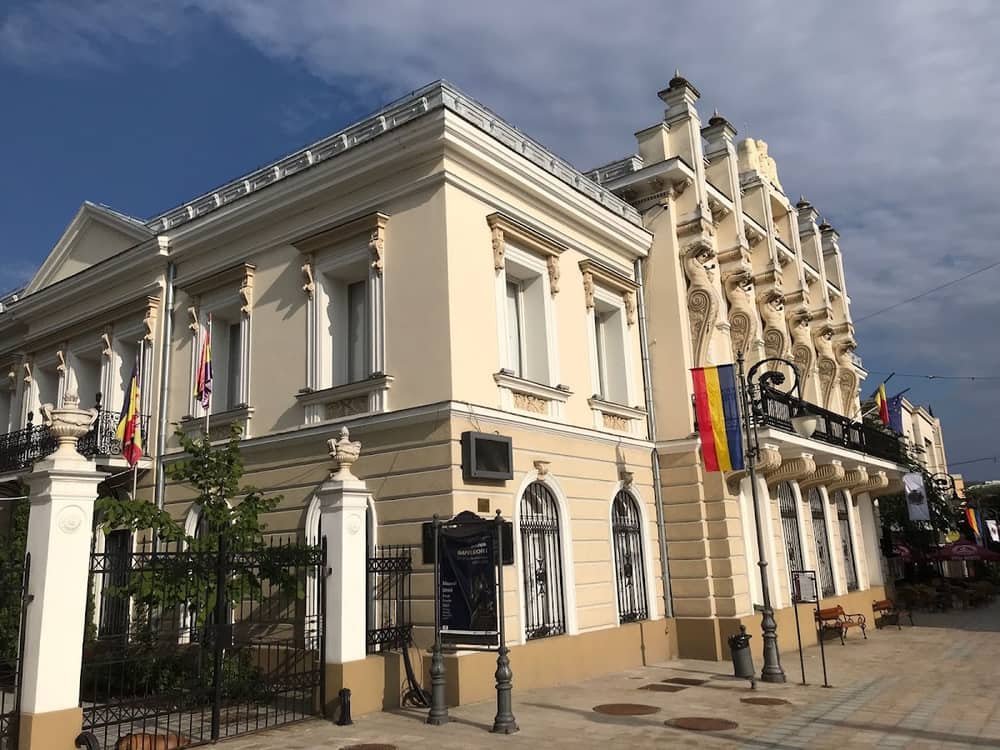
Centru
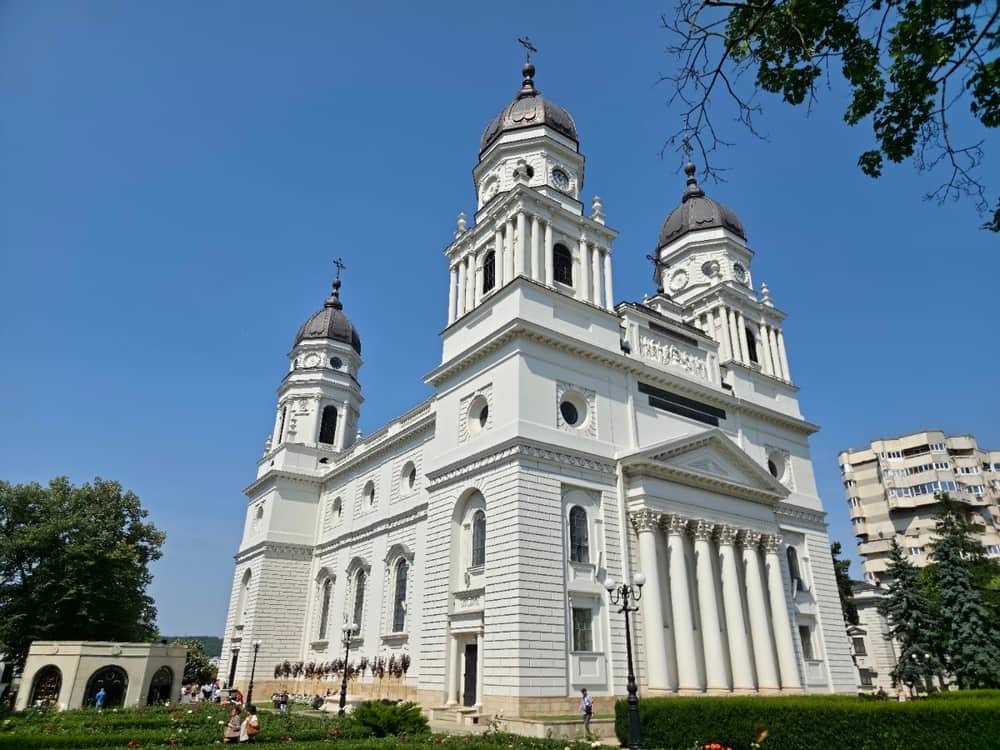
The Piața Unirii – Ștefan cel Mare și Sfânt boulevard – Palace of Culture axis. Almost every sight a visitor sees on day one is here: Trei Ierarhi, the Metropolitan Cathedral, the National Theatre, the Union Museum.
Who it suits: visitors on a short weekend. Everything is walkable.
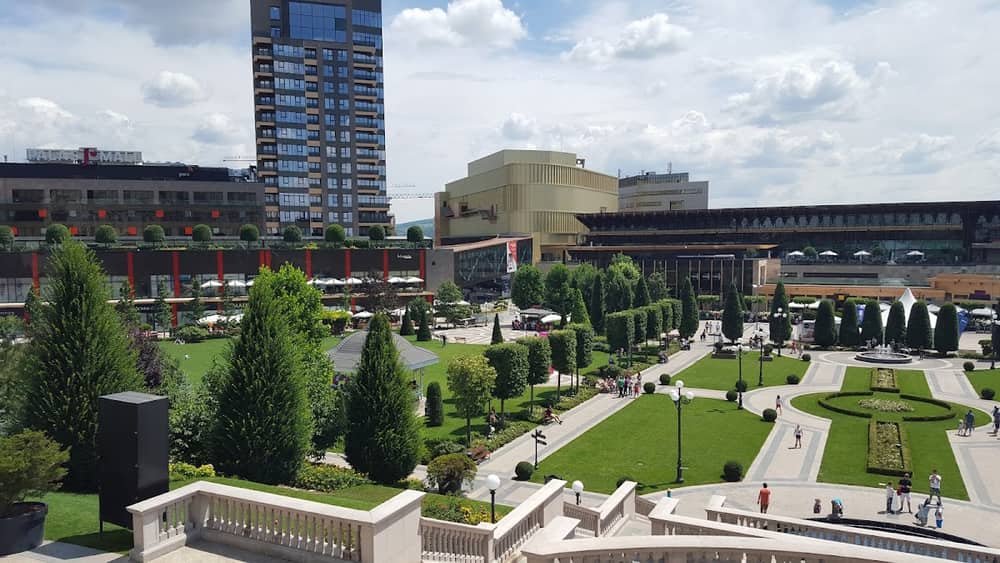
Palas & Anastasie Panu
The new area below the Palace of Culture, built over the last decade: landscaped gardens, restaurants, hotels, offices and a mall. It is the only place in the centre where greenery, food and shopping sit in one perimeter — and the only good option when it rains.
Who it suits: business visitors, families, anyone who wants convenience.
The hill
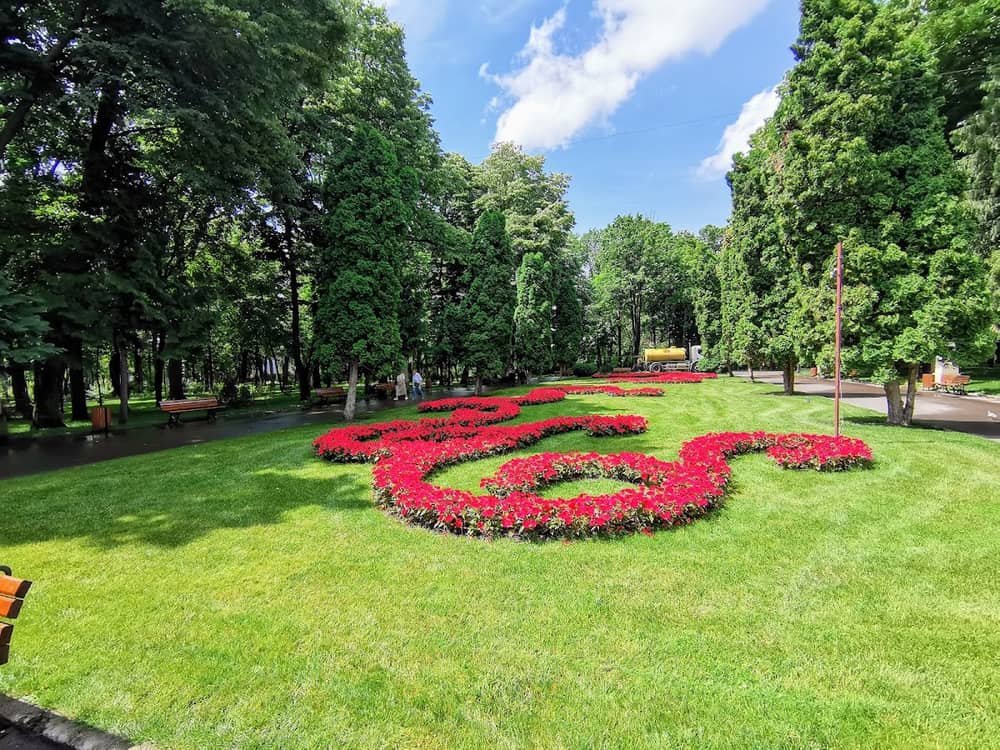
Copou
The quarter of universities and parks. Here are UAIC, the Botanical Garden — Romania's first — Copou Garden with Eminescu's linden tree, and the student halls.
Who it suits: those wanting quiet and greenery, students, anyone staying more than two days.
→ See the quarter · Iași as a university city
Ticău
The hillside of old houses above the centre. Here is Ion Creangă's Bojdeuca, Romania's first memorial house. A quiet area with character, little walked by tourists.
The east
Târgu Cucu
The old market quarter, a transport hub and the gateway to Tătărași. Here are Golia Monastery, with its 30-metre tower, and the Great Synagogue.
Tătărași
One of the largest residential quarters, east of the centre. Blocks of flats, neighbourhood shops, direct tram links. Not a tourist area, but one where life is good and cheap.
The west
Păcurari
The western quarter, a few stops from the centre. Major hospitals, student halls, a very busy everyday street life. Good value for accommodation relative to distance.
Galata
The western hill, with Galata Monastery above the Bahlui valley. A mixed area of houses and blocks, and one of the city's better viewpoints.
The south
Nicolina
A large quarter grown around Nicolina station and the roads heading out towards Vaslui. Frumoasa Monastery is here too.
Alexandru cel Bun and Dacia
Two neighbouring south-western quarters, raised during the industrialisation period. Alexandru cel Bun is among the most populous in the city. Both have everything for daily life within a short walk and good tram links.
Podu Roș
The road and tram junction across the Bahlui. Almost every route from the south into the centre passes through. It is not a destination but a crossroads — though one you will cross often.
The hills
Bucium
The hill of vineyards and villas to the south-east, the airiest part of the city, with wide views back over Iași. Cetățuia Monastery and the Repedea reserve are here.
Ciric
The lakes and woodland to the north-east — the locals' leisure ground. A laid-out beach, running trails, open-air events in summer.
Where to stay, in short
- Short weekend, no car: Centru or Palas.
- Quiet and greenery: Copou.
- Tight budget: Păcurari, Tătărași, Nicolina — a few tram stops from the centre.
- By car, with family: Bucium or the northern edge, where parking is not a problem.
The golden rule for accommodation
Choose according to how long you are staying, not how nice the area sounds:
- One or two nights → the centre or Palas. You pay more but lose no time in transit, and time is the scarce resource on a weekend.
- Three to seven nights → Copou, for quiet and greenery, with tram 1 into the centre.
- Over a week → Păcurari, Tătărași or Nicolina. The price difference accumulates, and a few tram stops stop mattering.
- By car, with family → Bucium, where parking is not a problem and you get a view.
Why Iași has no single centre
Because it is built on seven hills, between 45 and 95 metres of altitude. A flat city organises life concentrically, around a point; a hill city organises it into separate nuclei at different heights.
Hence the most frequent planning mistake: routes that hop from one hill to another. The centre is low, Copou and Ticău are high, the fortified monasteries sit on separate hills. Order geographically, not thematically.
The non-tourist quarters, briefly
Alexandru cel Bun, Dacia, Podu Roș and part of Tătărași have no sights, and it is honest to say so directly rather than invent attractions. They are post-1945 quarters where most of the city lives, with local shops and good tram links.
For a weekend visitor they are irrelevant. For someone moving to the city, they are exactly right.
In short
- The centre and Palas — for a short weekend without a car. Everything on foot.
- Copou — quiet, greenery, universities. A climb, but tram 1 solves it.
- Păcurari, Tătărași, Nicolina — the best price-to-distance ratio.
- Bucium — houses and views, but you need a car.
- Ticău — Creangă's Bojdeuca, Romania's first memorial house.
- Târgu Cucu — the Golia tower and the Great Synagogue, 15 minutes from the centre.
- Ciric — lakes and woodland, working from May to September.
- Neighbourhoods have no administrative status — Iași has a single city hall.
Frequently asked questions
Which neighbourhood should I stay in?
Centru or Palas if you want everything on foot; Copou for quiet and greenery; Păcurari, Tătărași or Nicolina for better prices, a few tram stops from the centre.
Which is the nicest neighbourhood in Iași?
Copou, for its combination of parks, universities and old houses. For historic character, Ticău; for views, Bucium and Galata.
Does Iași have districts, like Bucharest?
No. Iași has a single city hall for the whole city. The neighbourhoods are named areas without administrative status of their own.
Which are the largest neighbourhoods in Iași?
Among the most populous are Alexandru cel Bun, Tătărași, Nicolina and Dacia — all built during the industrialisation period after 1945.
How do I get from one neighbourhood to another?
Easiest by tram: line 1 links Copou with the centre, Podu Roș and Tătărași. See the transport page for lines and fares.