Iași has an unusual density of memorial houses, and the reason is simple: in the second half of the nineteenth century, Romanian literature was being written here. The list below is not a pantheon — it is a visiting guide.
The people of the Union
Alexandru Ioan Cuza
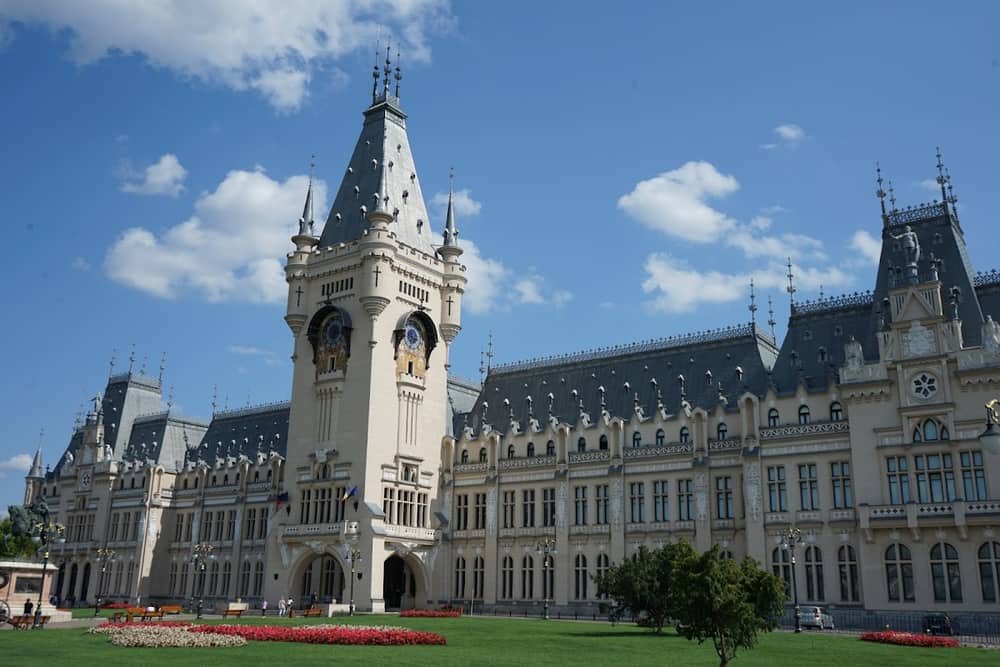
Elected ruler of Moldavia in Iași on 5 January 1859, and then of Wallachia on 24 January — the double election that produced the de facto union of the Principalities. His residence in Iași is today the Union Museum, where the moment is documented.
Mihail Kogălniceanu
Politician and historian who, together with Vasile Alecsandri and Costache Negruzzi, founded the National Theatre of Iași in 1840 — Romania's first. The same generation prepared the political ground for 1859.
Vasile Alecsandri
Poet and playwright, co-founder of the National Theatre. His name is carried today by the National Theatre of Iași.
Junimea
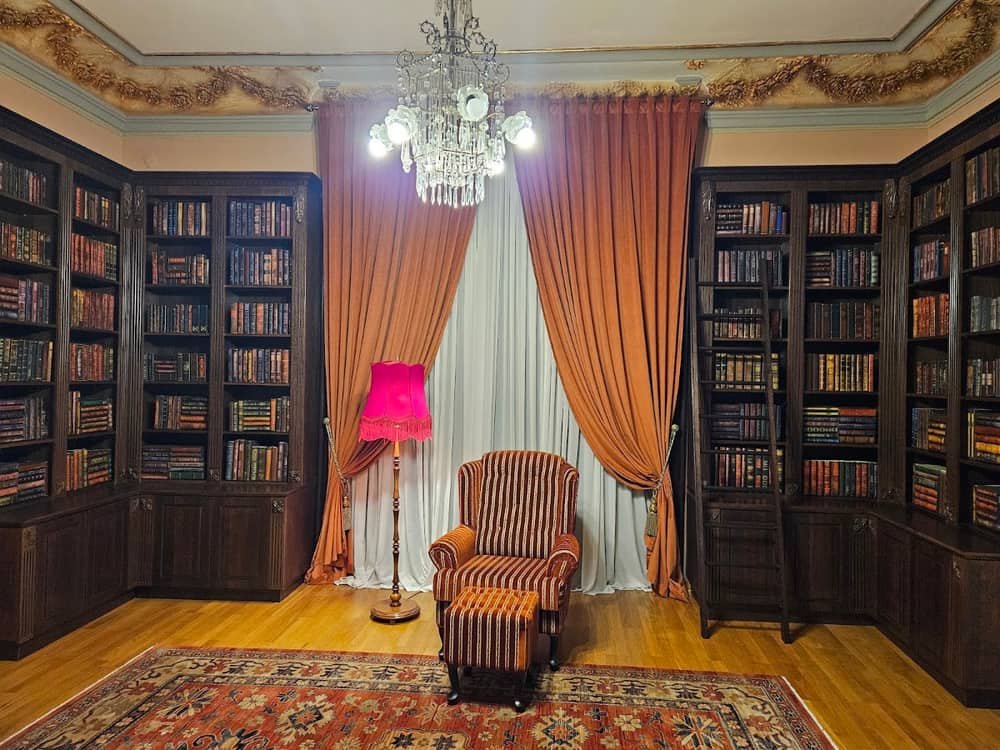
The Junimea literary society, founded in 1863, met for years in the house of Vasile Pogor — today the Vasile Pogor Museum. Through it passed the generation that fixed the canon of Romanian literature.
Titu Maiorescu
The critic who gave Junimea its direction and, through it, shaped modern Romanian literature.
Mihai Eminescu
He lived and worked in Iași, where he was a librarian and a school inspector, and read at Junimea. His link to the city is most strongly fixed in Copou Garden, home to Eminescu's linden tree — probably the most visited tree in Romania. The Mihai Eminescu Museum is also in Copou.
Ion Creangă
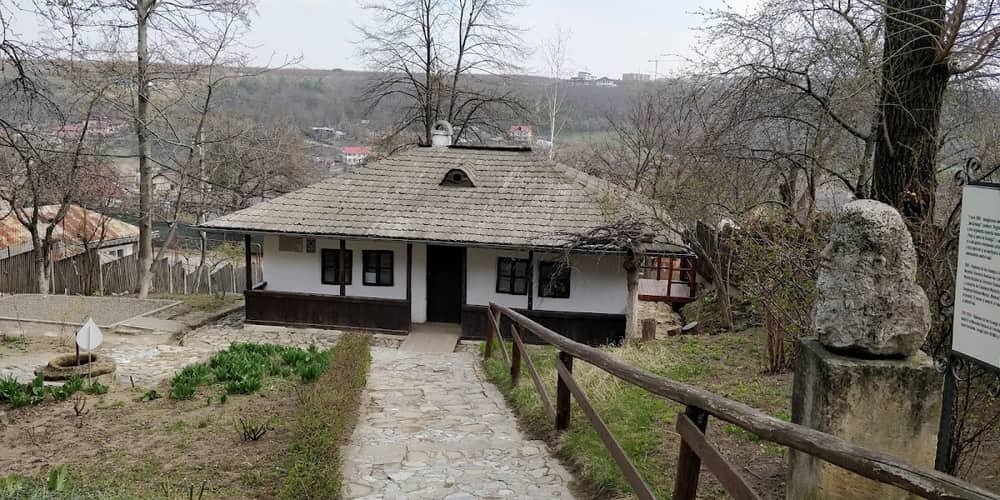
He was a schoolteacher in Iași and wrote most of his work here. His house in Ticău — the Bojdeuca — became, in 1918, the first memorial house in Romania. It is a modest two-room cottage, the exact opposite of a monumental museum, and that is precisely why it is worth seeing.
Science and old books
Dosoftei
Metropolitan of Moldavia, translator and printer. Dosoftei's House now holds a museum of old Romanian literature, in one of the oldest surviving civil buildings in the city.
Petru Poni
Chemist and a leading figure of the Iași scientific school. His house is now the Poni-Cernătescu Museum, devoted to the history of Romanian chemistry.
Grigore T. Popa
Physician and anatomist, whose name is carried today by the University of Medicine and Pharmacy in Iași, an institution with roots in 1879.
Women writers and local memory
Otilia Cazimir
Poet and prose writer bound to Iași, with a memorial house in the city.
Veronica Micle
Poet, associated in the public mind with Eminescu and with Copou. Her presence in the city's sentimental topography is as strong as that of her work.
A memorial-house route
If you want to see them in a day, the logical order is geographic, not chronological:
- The Union Museum — in the centre; start here.
- Dosoftei's House — also central, next to Trei Ierarhi.
- Creangă's Bojdeuca — climb up to Ticău.
- The Vasile Pogor Museum and the Mihai Eminescu Museum — in Copou.
- Copou Garden — finish at the linden.
Museum hours change with the season; check before setting out.
Why they all gathered here
Not by accident. In the second half of the nineteenth century Iași had a university, a national theatre, printing presses and a literary society that mattered — Junimea, founded in 1863. A young writer had an audience here, editors, peers and a circle in which to be read.
In other words: the institutions granted in compensation for the lost capital produced exactly what was needed to attract people. See culture and identity in Iași.
What you see and what you do not
The memorial houses are small and quick to visit — the Bojdeuca is a fifteen-minute visit. That is not a flaw: it is the real proportion of the lives they document. Creangă was a schoolteacher and lived in a two-room cottage.
What you do not see are the manuscripts, correspondence and archives, which are in collections and libraries rather than permanent exhibitions. A visitor expecting large museums will be disappointed; one looking for the places where things happened will not.
The route, compressed
If you only have half a day: the Union Museum and Dosoftei's House in the centre, then tram 1 up to Copou for the Vasile Pogor Museum and Copou Garden, with Eminescu's linden. The Bojdeuca stays for next time, or is caught on the way down, through Ticău.
In short
- Alexandru Ioan Cuza — elected ruler of Moldavia in Iași, 5 January 1859. His residence is now the Union Museum.
- Junimea, 1863 — the circle that fixed the canon of Romanian literature, in Vasile Pogor's house.
- Mihai Eminescu — librarian and school inspector in Iași; the linden in Copou Garden carries his name.
- Ion Creangă — a schoolteacher in Iași; the Bojdeuca in Ticău is Romania's first memorial house (1918).
- Vasile Alecsandri, Mihail Kogălniceanu, Costache Negruzzi — founders of the National Theatre, 1840.
- Dosoftei — metropolitan, translator and printer; his house holds a museum of old literature.
- The memorial-house route fits into one day, ordered geographically: centre → Ticău → Copou.
Frequently asked questions
Which is the first memorial house in Romania?
Ion Creangă's Bojdeuca in the Ticău quarter of Iași, opened to the public in 1918.
What is Eminescu's connection to Iași?
He lived and worked here — as a librarian and a school inspector — and read at the Junimea circle. The linden tree in Copou Garden associated with him is one of the city's most visited spots.
What was Junimea?
A literary society founded in Iași in 1863, the most influential in the history of Romanian culture. It met in Vasile Pogor's house, now a museum, and counted Titu Maiorescu, Mihai Eminescu, Ion Creangă and Ion Luca Caragiale among those who passed through.
Where was Alexandru Ioan Cuza elected?
In Iași, on 5 January 1859, by the elective assembly of Moldavia. His election in Wallachia too, on 24 January, produced the de facto union of the Principalities.
How many memorial houses does Iași have?
The city has several memorial museums — Creangă's Bojdeuca, the Mihai Eminescu Museum, the Vasile Pogor Museum, Dosoftei's House, the Poni-Cernătescu Museum and the Otilia Cazimir memorial house. You will find them all in the attractions section.