Iași does unexpectedly well on green space for an Eastern European city of its size, and the reason is again historical: the institutions granted in compensation after the loss of the capital included a botanical garden, in 1856, at a time when few European cities had one.
The "Anastasie Fătu" Botanical Garden
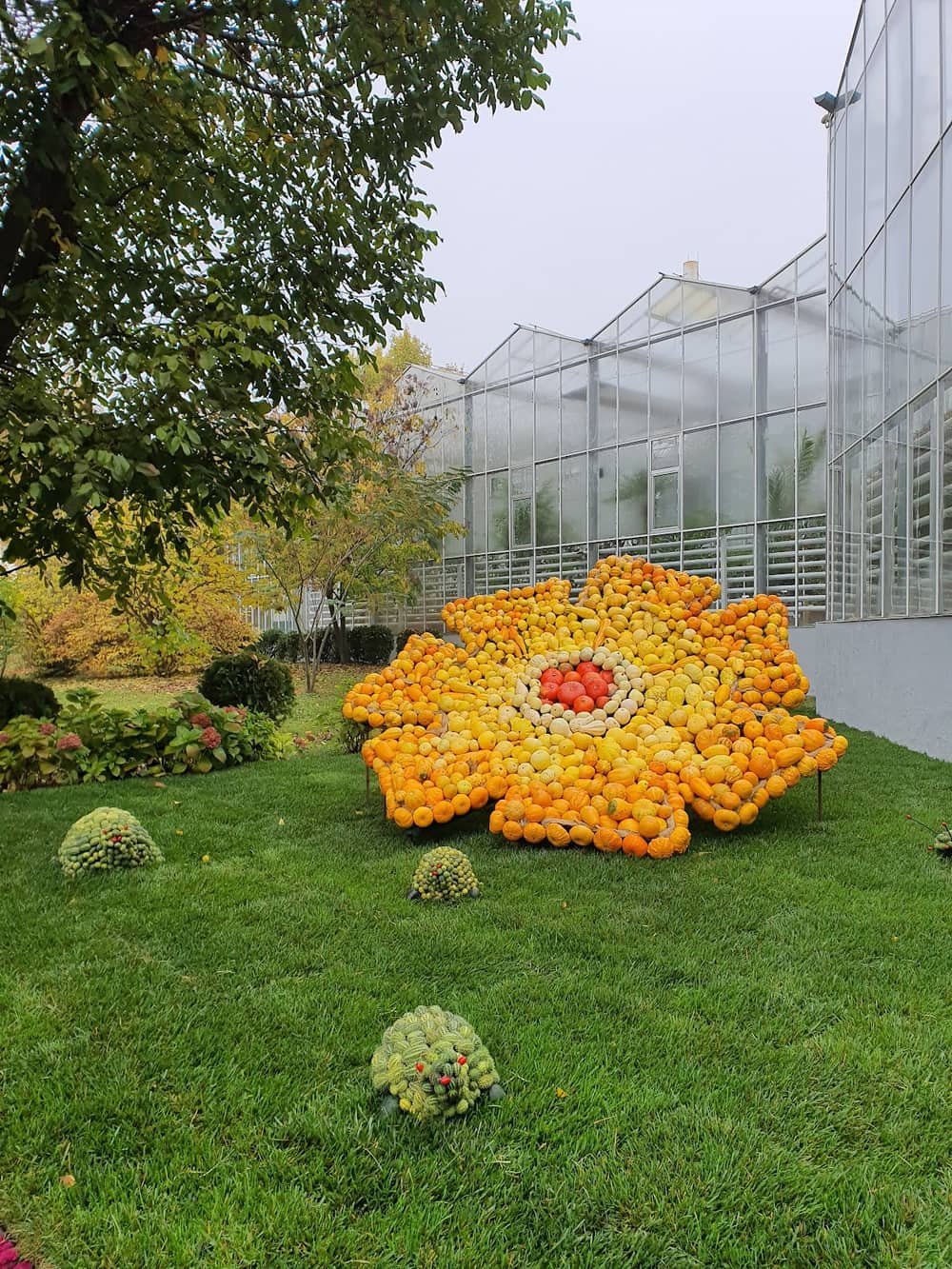
Romania's first botanical garden, founded in 1856, and one of its largest. It is in Copou, up on the hill, and it is far bigger than people expect — allow at least two hours if you want to walk it properly.
This is not a park you pass through but a scientific collection organised into sectors, with glasshouses. It is worth visiting in any season, but spring and early summer are the peak.
Copou Garden
Romania's oldest landscaped public park, begun in 1833–1834. It holds Eminescu's linden tree, probably the most visited tree in the country, and the Obelisk with Lions.
It is the city's emblematic park: small compared with the Botanical Garden, but dense with literary reference. See notable figures of Iași for context.
The Ciric lakes
The locals' actual leisure ground, to the north-east. This is not a historic park but the place the city goes in summer: a laid-out beach, running trails, open-air events, terraces.
If you are in Iași in July or August and want something outside the museum register, this is the answer.
Palas Garden
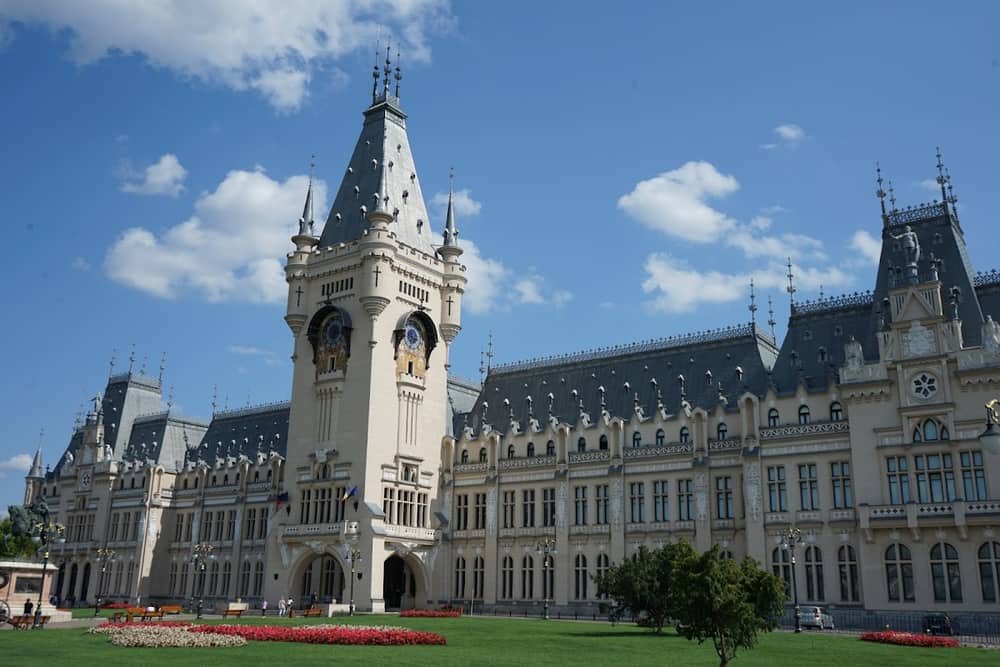
The park behind the Palace of Culture, laid out along with the Palas development over the last decade. It is the best-kept green space in the centre and the only one where greenery, restaurants and shops sit together.
The hills
Here Iași leaves the "city with parks" category and enters another.
The Repedea reserve
A palaeontological reserve on Repedea hill, to the south-east. The outcrops contain marine fossils — evidence of a sea that covered the area in the Miocene. It is a genuine geological site, not a tourist installation.
Bucium
The hill of vineyards and villas to the south-east, the airiest part of the city, with wide views back over Iași. Good for a long walk.
Cetățuia and Galata
The hills with the fortified monasteries. People climb them for the monasteries, but the view justifies the trip even without them.
What to know
- The change in level is real. The city runs between 45 and 95 metres of altitude, and the important parks are up in Copou. See geography and climate.
- Season matters a great deal. With a January average of −2.1 °C and a July average of 22.4 °C, the parks are a warm-season destination.
- Transport: tram 1 climbs to Copou from the centre. Detail on the CTP page.
Why Iași has so much green space
Not from recent urban planning but from institutional inheritance. The Botanical Garden was founded in 1856, at a time when few European cities had one, and Copou Garden was laid out from 1833–1834. Both belong to the set of institutions the city received in compensation for losing capital status — like the National Theatre (1840) and the University (1860).
In other words: the greenery of Iași is nearly two centuries old, and it is old for political reasons.
What the terrain means for walking
The city runs between 45 and 95 metres of altitude, and the important parks are up on the hill. This is not a decorative observation: the climb to Copou is real, and in a heatwave or on ice it becomes a problem. Tram 1 solves the climb from the centre.
The surrounding hills — Bucium, Repedea, Breazu — offer longer routes, but they need a car or a bus plus walking. See geography and climate for the full data.
Seasonality
With a July average of 22.4 °C and a January average of −2.1 °C, the parks are a warm-season destination. The Botanical Garden peaks in May and June. The Ciric lakes work from May to September; in winter they remain woodland and quiet, but without the infrastructure that makes them attractive in summer.
Annual precipitation — 548 mm — is below the national average, and hot, dry summers put real pressure on the green spaces.
In short
- The "Anastasie Fătu" Botanical Garden, 1856 — Romania's first and one of its largest. Allow two hours minimum.
- Copou Garden, 1833–1834 — the country's oldest landscaped public park, with Eminescu's linden and the Obelisk with Lions.
- The Ciric lakes — the city's leisure ground, working from May to September.
- The Repedea reserve — Miocene marine fossil outcrops, inside the city limits.
- The important parks are up in Copou. Tram 1 handles the climb from the centre.
- Season: July averages 22.4 °C, January −2.1 °C. The parks are a warm-season destination.
Why Iași has so much green space
Not from recent urban planning but from institutional inheritance. The Botanical Garden was founded in 1856, at a time when few European cities had one, and Copou Garden was laid out from 1833–1834. Both belong to the set of institutions the city received in compensation for losing capital status — like the National Theatre (1840) and the University (1860).
In other words: the greenery of Iași is nearly two centuries old, and it is old for political reasons.
What the terrain means for walking
The city runs between 45 and 95 metres of altitude, and the important parks are up on the hill. This is not a decorative observation: the climb to Copou is real, and in a heatwave or on ice it becomes a problem. Tram 1 solves the climb from the centre.
The surrounding hills — Bucium, Repedea, Breazu — offer longer routes, but they need a car or a bus plus walking. See geography and climate for the full data.
Seasonality
With a July average of 22.4 °C and a January average of −2.1 °C, the parks are a warm-season destination. The Botanical Garden peaks in May and June. The Ciric lakes work from May to September; in winter they remain woodland and quiet, but without the infrastructure that makes them attractive in summer.
Annual precipitation — 548 mm — is below the national average, and hot, dry summers put real pressure on the green spaces.
Frequently asked questions
Which is the oldest botanical garden in Romania?
The one in Iași, "Anastasie Fătu", founded in 1856. It is in the Copou quarter and is one of the largest in the country.
Which is the oldest public park in Romania?
Copou Garden in Iași, laid out from 1833–1834.
Where is Eminescu's linden tree?
In Copou Garden. It is one of the most visited spots in the city and probably the best-known tree in Romania.
Where do locals go in summer?
To the Ciric lakes, in the north-east of the city — a laid-out beach, running trails and open-air events.
What is the Repedea reserve?
A palaeontological reserve on Repedea hill, where the outcrops contain Miocene marine fossils. It is a geological site, located within the city limits.