The list below contains only verifiable things. Iași also has a rich folklore of urban legends — those we do not publish as facts.
Firsts in Romania
- Romania's first modern university opened in Iași, in 1860 — two years ahead of Bucharest's.
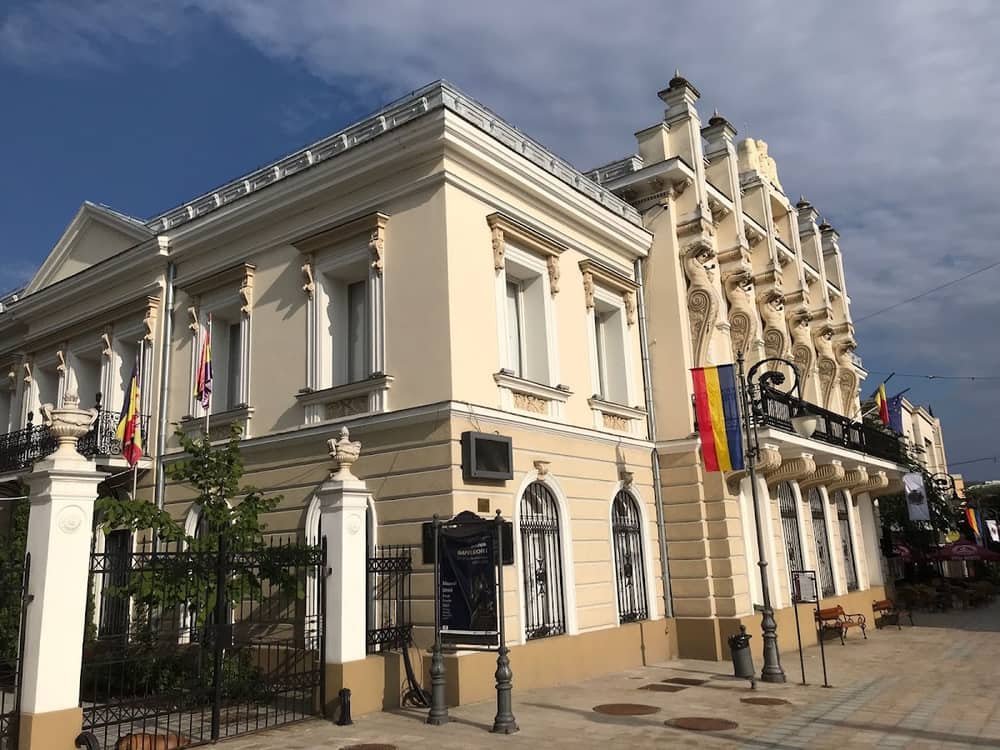
- The country's first national theatre was founded here in 1840, by Costache Negruzzi, Vasile Alecsandri and Mihail Kogălniceanu.
- Romania's first botanical garden was founded in Iași in 1856.
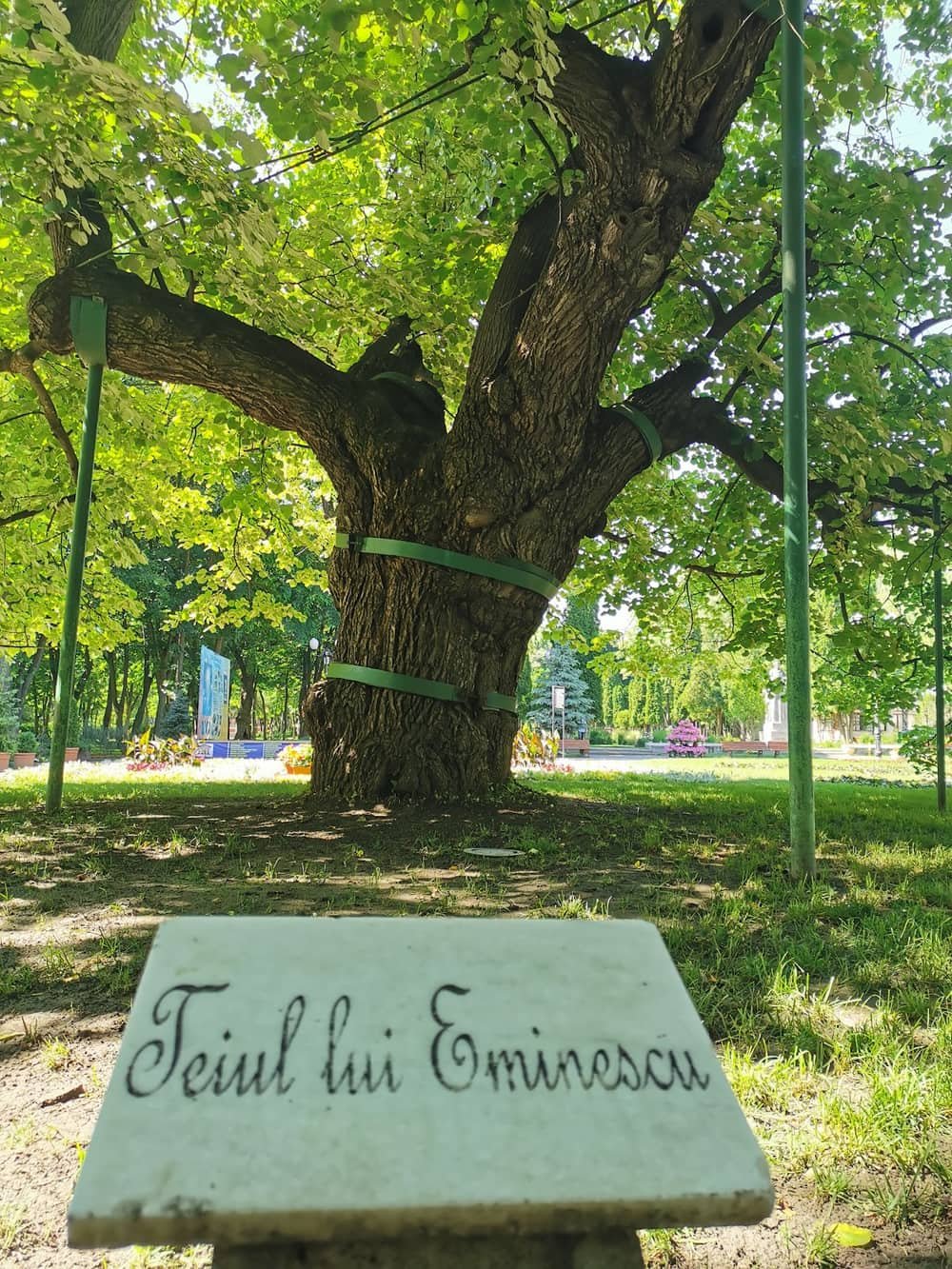
- The country's oldest landscaped public park is Copou Garden, from 1833–1834.
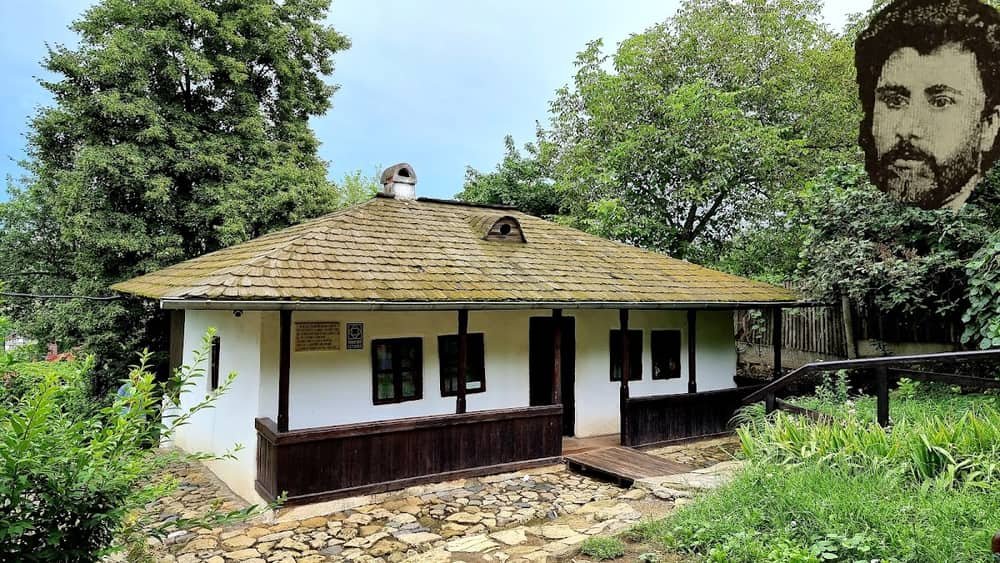
- Romania's first memorial house is Ion Creangă's Bojdeuca, opened to the public in 1918. It is a two-room cottage.
- The first book printed in Romanian on Moldavian soil — *Varlaam's Homiliary*, 1643, from the press at Trei Ierarhi.
The Palace of Culture
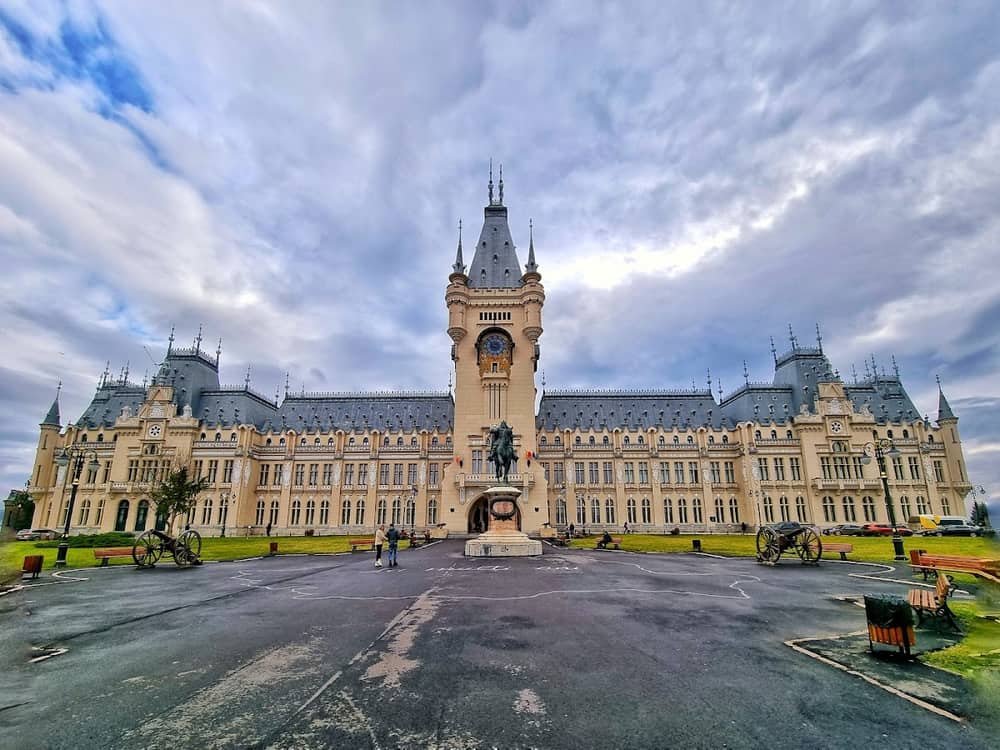
- It has 298 rooms, across some 36,000 m² of built surface.
- The tower clock has three faces, each 3.25 metres in diameter.
- The faces are decorated with stained glass showing the twelve zodiac signs.
- Eight bells in the tower play *Hora Unirii* on every hour.
- It is built on the site of the princely court, documented from 1434 — and over a neoclassical palace raised in 1804–1806. The same plot, three architectures, five centuries.
- It houses four museums at once, under the "Moldova" National Museum Complex.
The city
- Seven hills — Breazu, Bucium, Cetățuia, Copou, Galata, Repedea, Șorogari. The number is deliberately chosen, as in Rome: the conceit of a former capital.
- It was the capital of Moldavia for almost three centuries, from 1564 to 1859.
- It was also the capital of Romania, between 1916 and 1918, when Bucharest was under German occupation.
- Between 1859 and 1862, Romania had two capitals simultaneously — Iași and Bucharest — and two governments.
- Its first documentary mention is from 6 October 1408, in a commercial privilege listing the city as a customs point.
- It is about 20 kilometres from the border with the Republic of Moldova — closer to Chișinău than to many large Romanian cities.
Records and extremes
- The record low is −36.3 °C (February) and the record high 41.3 °C (August). The annual mean: 10.5 °C.
- The 14 October Saint Parascheva pilgrimage is the largest in Romania — hundreds of thousands of participants, with queues that can exceed twenty hours.
Bonus: what is not true
- Iași has no metro and never has. The confusion comes from Bucharest.
- Iași has no districts. There is a single city hall for the whole city.
- Iași is not the capital of the Republic of Moldova. That is Chișinău. Iași was the capital of the Principality of Moldavia, a medieval Romanian state.
- It is no longer Romania's second city. At the 2021 census it is the third, after Bucharest and Cluj-Napoca.
Why there are so many "firsts in Romania" here
It is neither coincidence nor luck. It is the result of a political bargain: after the Moldavian capital moved permanently to Bucharest in 1862, Iași was deliberately compensated with institutions. The National Theatre (1840, predating the moment), the Botanical Garden (1856), the University (1860) — all part of the same strategy for preserving the relevance of a city that had just lost the state apparatus.
The consequence is that, unlike other Romanian urban centres, in Iași the cultural institutions were not added on top of an industrial economy. For a while, they were the economy. Detail in culture and identity in Iași.
Figures people get wrong
Three errors circulate constantly about Iași and are worth correcting directly:
- "Romania's second city." It was, for a long time. At the 2021 census it is the third, after Bucharest and Cluj-Napoca.
- "Capital of Moldova", confused with Chișinău. Iași was the capital of the Principality of Moldavia, a medieval Romanian state, between 1564 and 1859. The Republic of Moldova is a separate state, independent since 1991, with its capital in Chișinău.
- "The Iași metro." It does not exist and never has. It is a confusion with Bucharest, propagated by cloned portals — see the dedicated article.
What we do not publish
Iași has a rich folklore of urban legends — secret tunnels under the city, hidden treasure, tales of the princely court. We do not publish them as facts, because they are not. The list above contains only verifiable things, and that is the difference between a guide and a collection of anecdotes.
In short
- Romania's first modern university, 1860 — two years ahead of Bucharest.
- The first national theatre, 1840. The first botanical garden, 1856. The oldest public park, 1833–1834.
- Romania's first memorial house — Creangă's Bojdeuca, opened in 1918, a two-room cottage.
- The Palace of Culture: 298 rooms, eight bells playing *Hora Unirii* on every hour.
- Romania had two capitals at once, Iași and Bucharest, between 1859 and 1862.
- Iași was the capital of Romania between 1916 and 1918, during the First World War.
- It has no metro, no districts, and it is not the capital of the Republic of Moldova.
Why there are so many "firsts in Romania" here
It is neither coincidence nor luck. It is the result of a political bargain: after the Moldavian capital moved permanently to Bucharest in 1862, Iași was deliberately compensated with institutions. The National Theatre (1840, predating the moment), the Botanical Garden (1856), the University (1860) — all part of the same strategy for preserving the relevance of a city that had just lost the state apparatus.
The consequence is that, unlike other Romanian urban centres, in Iași the cultural institutions were not added on top of an industrial economy. For a while, they were the economy. Detail in culture and identity in Iași.
Figures people get wrong
Three errors circulate constantly about Iași and are worth correcting directly:
- "Romania's second city." It was, for a long time. At the 2021 census it is the third, after Bucharest and Cluj-Napoca.
- "Capital of Moldova", confused with Chișinău. Iași was the capital of the Principality of Moldavia, a medieval Romanian state, between 1564 and 1859. The Republic of Moldova is a separate state, independent since 1991, with its capital in Chișinău.
- "The Iași metro." It does not exist and never has. It is a confusion with Bucharest, propagated by cloned portals — see the dedicated article.
What we do not publish
Iași has a rich folklore of urban legends — secret tunnels under the city, hidden treasure, tales of the princely court. We do not publish them as facts, because they are not. The list above contains only verifiable things, and that is the difference between a guide and a collection of anecdotes.
Frequently asked questions
How many rooms does the Palace of Culture in Iași have?
298 rooms, across roughly 36,000 square metres of built surface.
Why does Iași have seven hills?
The number is symbolic and deliberately echoes the seven hills of Rome — the conceit of a former capital. The hills are real: Breazu, Bucium, Cetățuia, Copou, Galata, Repedea and Șorogari.
Which is the first memorial house in Romania?
Ion Creangă's Bojdeuca in the Ticău quarter of Iași, opened to the public in 1918. It is a modest two-room cottage.
Did Romania ever have two capitals at once?
Yes, between 1859 and 1862, after the double election of Alexandru Ioan Cuza: Iași and Bucharest functioned simultaneously as seats of the state, with two governments and two assemblies.
What is the lowest temperature recorded in Iași?
−36.3 °C, in February. The record high is 41.3 °C, in August.