The problem with most lists of things to see in Iași is that they are inventories, not recommendations. Thirty names, with nothing to say which are essential, which are worth it only if you have time, and which you can take in on the way to something else. This piece supplies that order.
The selection comes from our attractions database, which only admits places rated above 4.0 on Google with at least 60 reviews. The order below, though, is not by rating — it is by how much each one matters to someone visiting for the first time.
Tier one: not negotiable
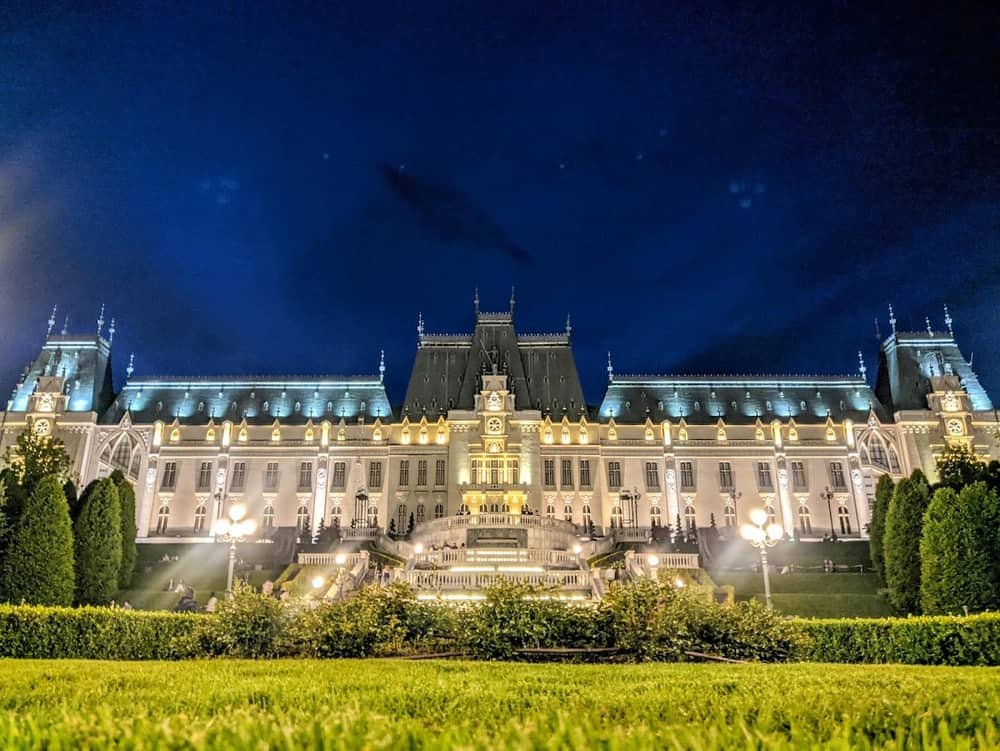
The Palace of Culture, and not for guidebook reasons. The building holds four museums on its own, across 298 rooms and roughly 36,000 square metres. Going in for the central hall alone is worth the walk, but if you have two hours, pick one museum and do it properly rather than rushing all four.
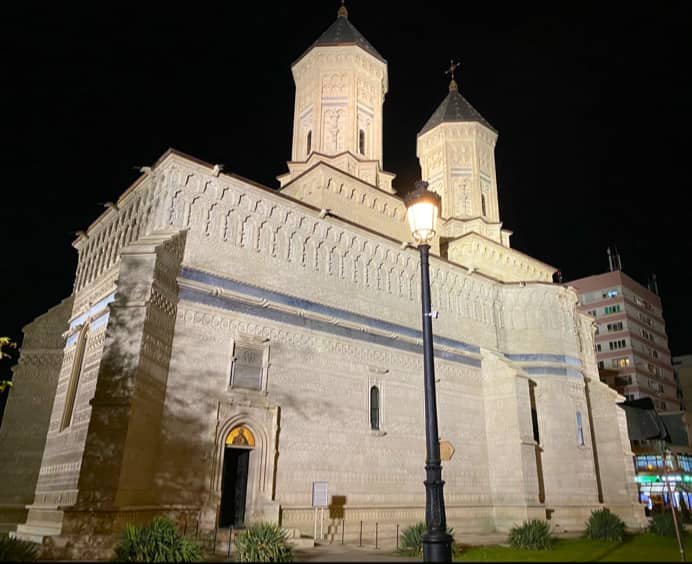
Trei Ierarhi Monastery is the other one you do not skip. The façade is covered in carved stone — not decorated in places, covered, from base to cornice. It is the kind of thing you take in within five minutes and remember for years.
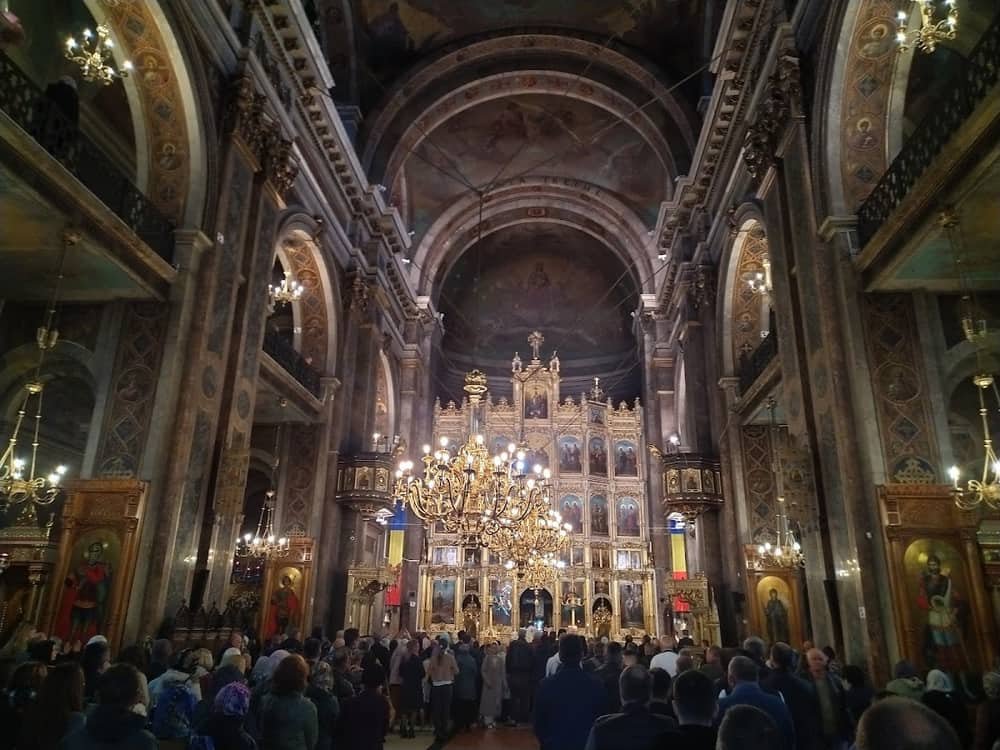
The Metropolitan Cathedral holds the relics of Saint Parascheva and is the most important religious site in Moldavia. Ordinarily it takes twenty minutes. Around 14 October, queues can exceed twenty hours — see below.
Tier two: the context
These are the places that never make a postcard, and without which Iași stays a collection of handsome buildings with no explanation attached.
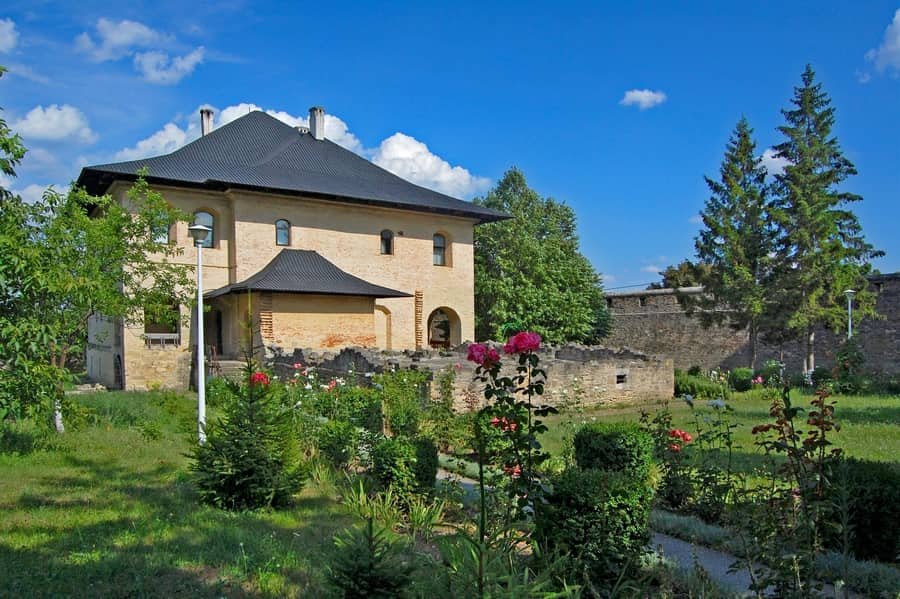
- The Union Museum — the house where Alexandru Ioan Cuza lived. Iași gave up capital status in 1859; here you grasp what that meant.
- Ion Creangă's cottage — Romania's first memorial house, opened in 1918. A two-room cottage in Țicău that says more about nineteenth-century Iași than any palace.
- The Vasile Pogor House — where the Junimea literary society met. If you want to know why Iași considers itself the cultural capital of Moldavia, the answer starts in that room.
- St Nicholas's Princely Church — founded by Stephen the Great, the oldest surviving church in the city.
Tier three: if you stay longer
The hilltop monasteries — Cetățuia, Galata, Frumoasa, Golia. They were fortified, with curtain walls and towers, because a capital was a target. They involve a real climb and half a day if you string them together — the route is set out in the monastery guide.
Copou Garden and the Botanical Garden are the two green spaces worth scheduling as destinations rather than as breaks between sights.
How long each one takes
This is where guides lie most often, to make the day look full.
- Palace of Culture: 2 hours for one museum, a full day for all four
- Trei Ierarhi: 15–20 minutes, the exterior being the point
- The Cathedral: 20 minutes, outside the pilgrimage
- A memorial house: 30–40 minutes
- A hilltop monastery: 45 minutes, plus getting there
What you can skip
Iași has a lot of small museums and memorial houses. They are good, and they are repetitive taken together: after the third memorial house the returns fall off a cliff. Pick two that genuinely interest you and leave the rest.
Likewise, if religious architecture is not your thing, four monasteries in a day becomes a slog. Two are enough to understand the type.
What changes in October
The first half of October is a different city. For the feast of Saint Parascheva on 14 October, Iași hosts Romania's largest pilgrimage — hundreds of thousands of people, accommodation sold out months ahead, streets closed and transport rerouted. If you are coming for the pilgrimage, it is the event of the year. If not, avoid the window.
Before you go
Museum hours change seasonally and some close on Mondays — check with the institution. We do not publish museum timetables precisely so we never send anyone at the wrong hour. For the full plan with times and distances, see the 48-hour itinerary or the 1, 2 and 3-day versions.
Everything above is on the interactive map, filterable by neighbourhood.