We are not selling winter Iași as a fairy-tale destination. It is a continental city on hills, and between November and March that means cold, short days and climbs you do not want on ice. If you have a free choice, April–June and September are visibly better.
But if you are coming in winter — for work, for family, or because that is when you have leave — the city has real advantages the rest of the year does not.
What works better in winter
The season is at its peak. The "Vasile Alecsandri" National Theatre, Romania's first national theatre (1840), and the Athenaeum run from October to May. Winter is the middle of that, not its edge. Tickets can often be had two days ahead without drama — a luxury compared with larger cities.
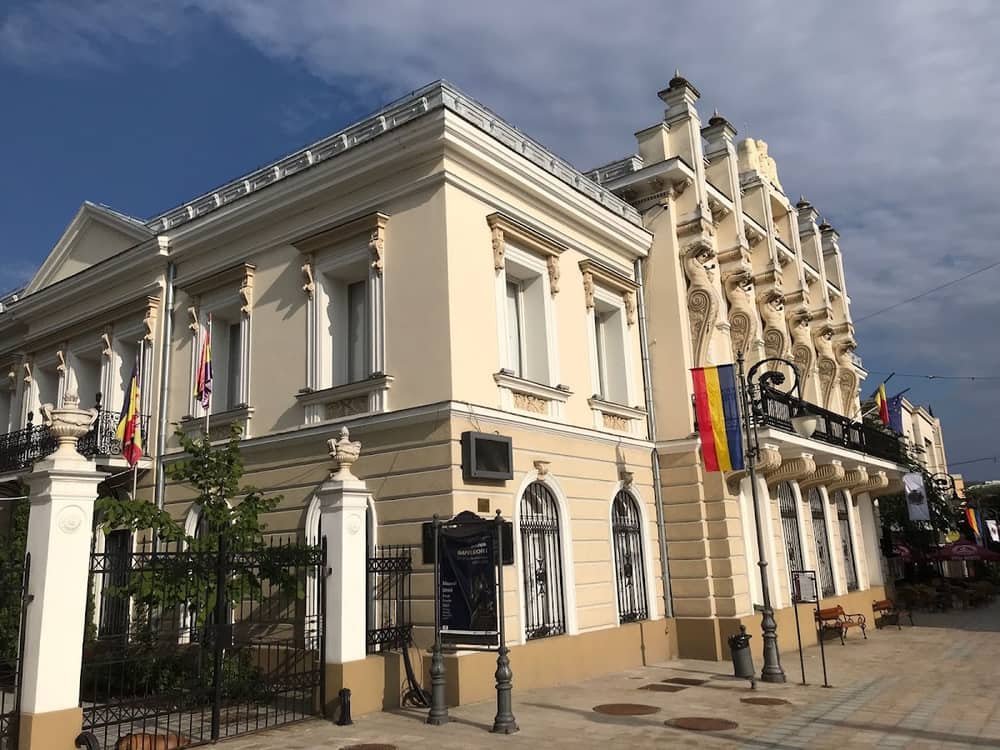
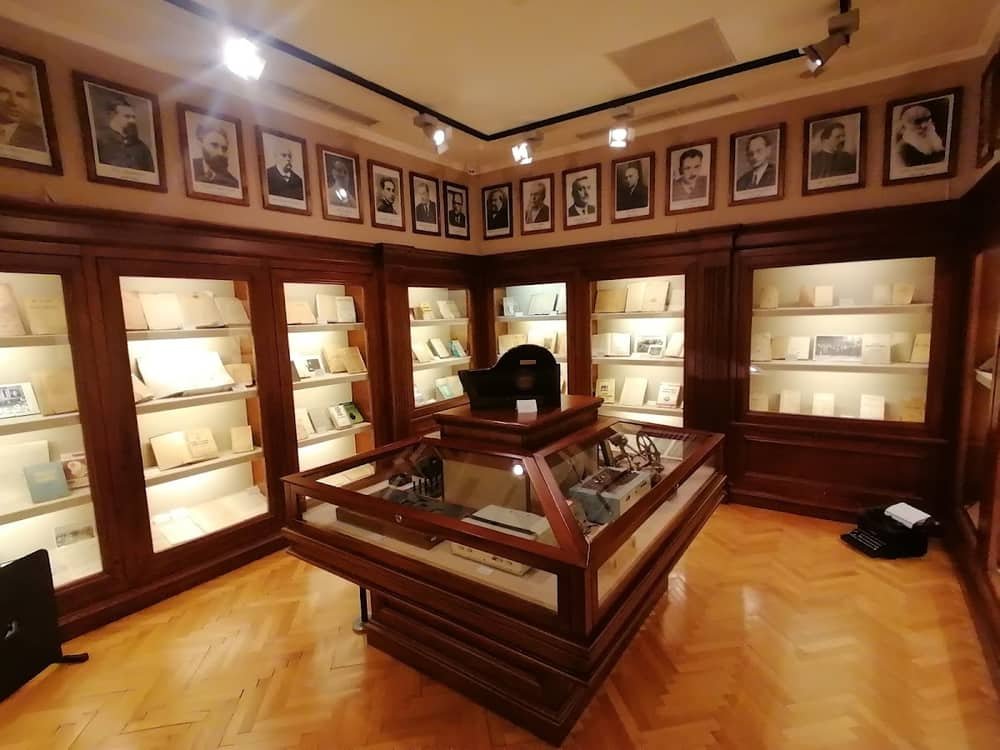
The museums are empty. The Palace of Culture, with four museums under one roof, becomes a comfortable full day when you are not competing with groups. The guide to choosing between them is here.
Accommodation is cheap and available. The only winter peak is the holiday period. Otherwise you can book a few days ahead in the centre, which in October is impossible.
The city belongs to its own people. This is when you see how Iași actually works, rather than how it looks for visitors.
What does not work
Worth saying plainly, because these are exactly the things at the top of every list:
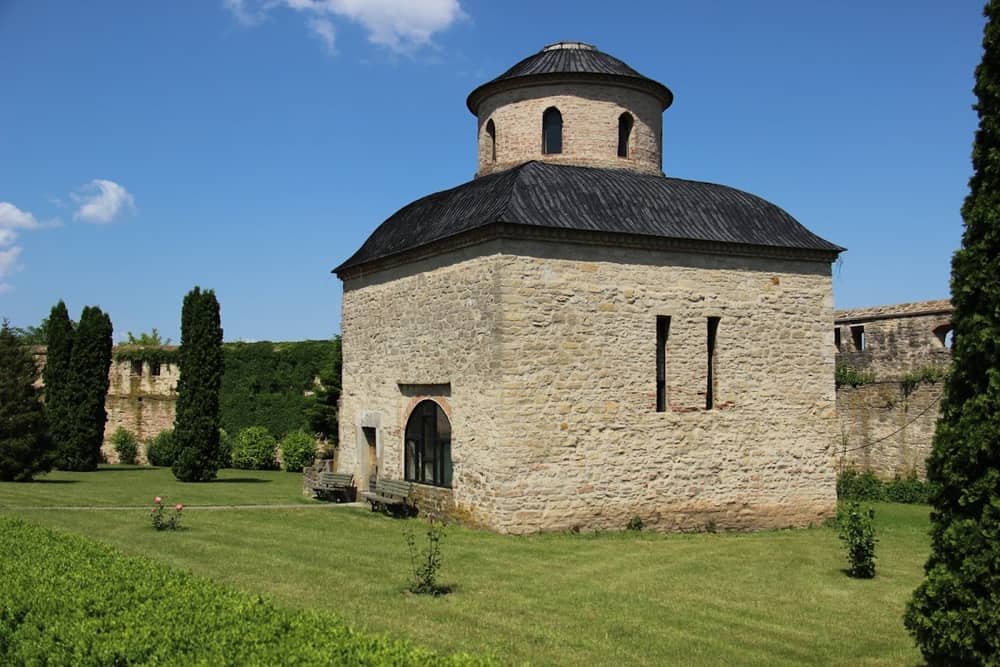
- The hilltop monasteries. Cetățuia, Galata, Frumoasa involve a real climb. On ice or melting snow that becomes dangerous, not merely awkward.
- The Botanical Garden shrinks to its covered sections. Not a waste of time, but a different visit.
- Copou Garden loses its main argument. The linden and the obelisk remain, both handsome under snow, but the walk is no longer the central pleasure.
- The Copou–Palas walk, the 30 minutes that are half the experience of the city, becomes something to endure.
The terrain, on ice
This is what the guides do not tell you. Iași is built on seven hills, between roughly 45 and 95 metres of altitude. The difference is small on paper and very concrete on foot.
In winter some slopes become a problem, especially early morning and evening. It is not a question of fitness but of grip. Shoes with a serious sole, not city shoes.
The practical consequence: in winter, public transport is worth more than in any other season. A CTP ticket costs 4 lei and is valid for 120 minutes — two stops uphill in winter are the best-spent 4 lei of the trip.
The holidays
The holiday period is the only stretch of winter when the city fills up. In practice: accommodation gets pricier and scarcer, and institutional hours change — many museums have extra closing days.
Check the hours with each institution before setting out. We do not publish museum timetables precisely because this is when they change most.
What to wear
The climate is continental: hot summers, cold winters, quick transitions. Not an alpine winter, but not a mild one either.
Layers rather than one thick coat — because you will be alternating between cold outdoors and overheated museums all day. And something for the wind: the exposed hillsides make a difference to what the forecast says.
Today's weather and the four-day forecast are on the "Now" page.
A day's plan, in winter
The order that works, arranged to keep you indoors when it is coldest:
Morning — the Palace of Culture, one chosen museum. Lunch — Palas, all indoors and at ground level. Afternoon — the museums in the centre: the Union Museum, Natural History. Evening — theatre or the Athenaeum.
It is broadly the same route as the wet-weather plan, for the same reason: both are answers to a city meant to be walked.
The verdict
Winter is not the season we recommend to someone with a free choice. It is, though, the season when the city is cheapest, emptiest and most itself — and for someone coming for the institutions rather than the walking, the trade may fall in its favour.