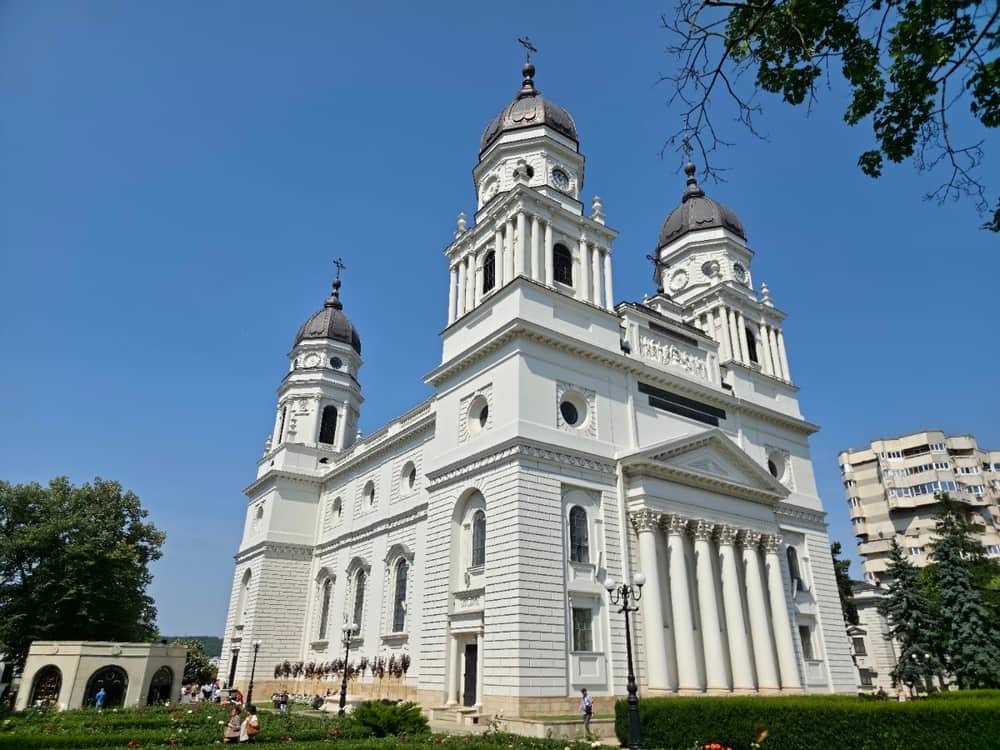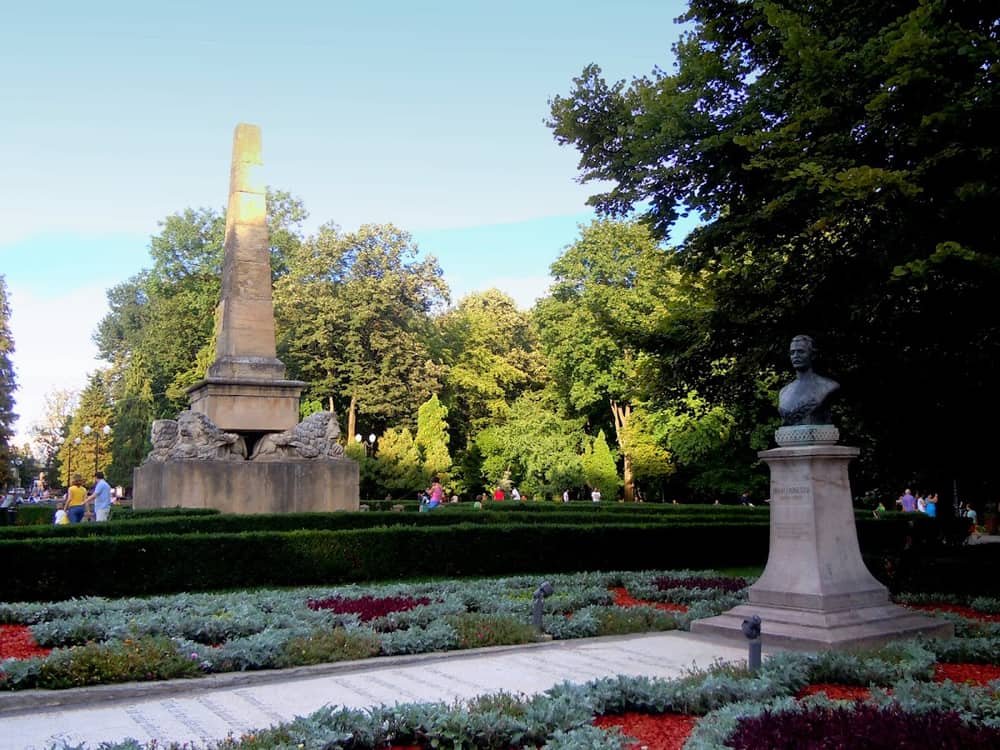
A city the size of Iași should not have this many museums. That it does is the direct consequence of a historical trade: in 1859 the city gave up capital status and received institutions in compensation — the country's first modern university, its first national theatre, its first botanical garden, its first natural history museum.
The result, a century and a half later, is cultural infrastructure beyond what the present population would sustain. For a visitor that is good news with a trap attached: you cannot do them all, and if you try, the last ones stop telling you anything.
The hierarchy
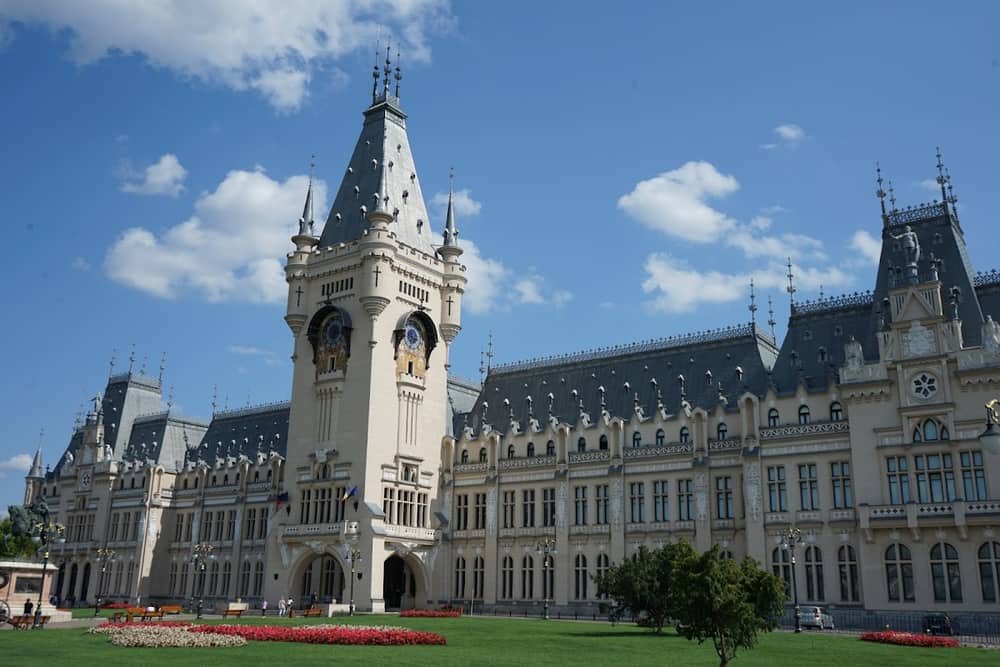
Tier one — the Palace of Culture. Not one museum but four: history, art, ethnography, science and technology, in the "Moldova" National Museum Complex. 298 rooms, roughly 36,000 square metres. With two hours, you pick one. The full guide is here.
Tier two — the museums that explain the city.
- The Union Museum — the house where Alexandru Ioan Cuza lived. This is the museum that makes sense of the rest: here you grasp what 1859 meant for Iași.
- The Vasile Pogor House — where the Junimea society met. If you want to know how culture became the city's industry, it starts here.
- The Natural History Museum — one of the oldest of its kind in Romania. Nineteenth-century museography: dense cases, mounted specimens, old labels.
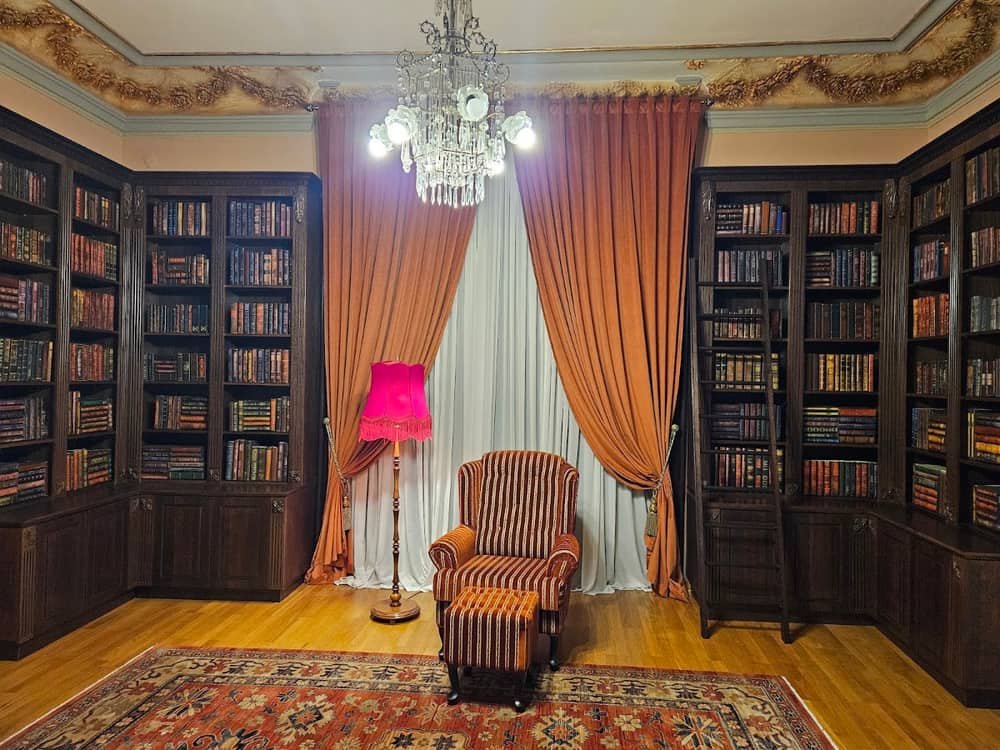
Tier three — the memorial houses. Creangă's cottage, Romania's first memorial house (1918), the Dosoftei House, the Mihai Eminescu Museum, the Otilia Cazimir House, the Poni-Cernătescu Museum.
Where the returns fall off
Here is the advice missing from most guides: after the third memorial house you learn nothing new. The format repeats — a nineteenth-century house, period furniture, personal objects, explanatory panels. The first is charming, the second interesting, the fourth is a room with furniture in it.
Pick two that genuinely interest you. If you like literature, Creangă's cottage and Pogor. If science interests you, Poni-Cernătescu.
The museography, as a style
Worth saying, because it sets expectations: the museums of Iași are mostly classical museums. Cases, objects, text. Few screens, little interactivity.
That is an advantage for anyone after substance and a drawback for anyone expecting immersive experiences. The exception is the Science and Technology Museum in the Palace of Culture, which has things that move and is the best in the city for children — see the family guide.
How long each takes
- A museum in the Palace of Culture: 2 hours
- The Union Museum: 1 hour
- The Natural History Museum: under an hour
- A memorial house: 30–40 minutes
A reasonable museum day means one large museum plus two small ones, not five.
Opening hours
This is what ruins most plans. Some museums close on Mondays, hours change seasonally, and some sections keep their own, shorter than the institution's.
Check with each institution before setting out. We deliberately do not publish museum hours — they change often, and a wrong one sends somebody across town for nothing.
In the rain
Museums are the obvious fallback in a city meant to be walked. The best route for a wet day, ordered geographically, is in Iași in the rain.
Context
For why the city looks the way it does, culture and identity in Iași and Iași, the capital of Moldavia. The full list of sights, filterable by neighbourhood and rating, is under attractions.