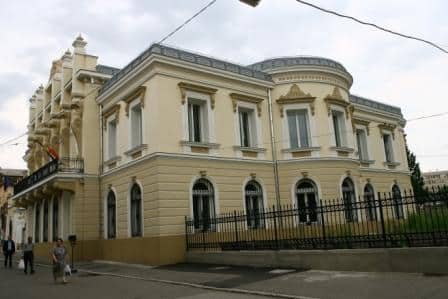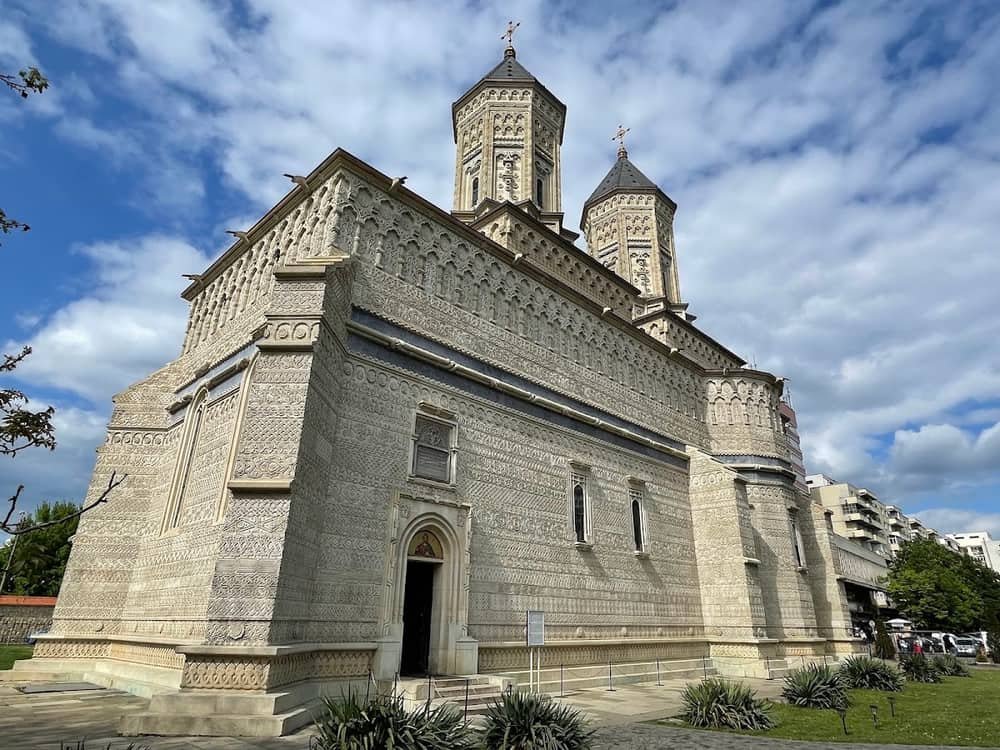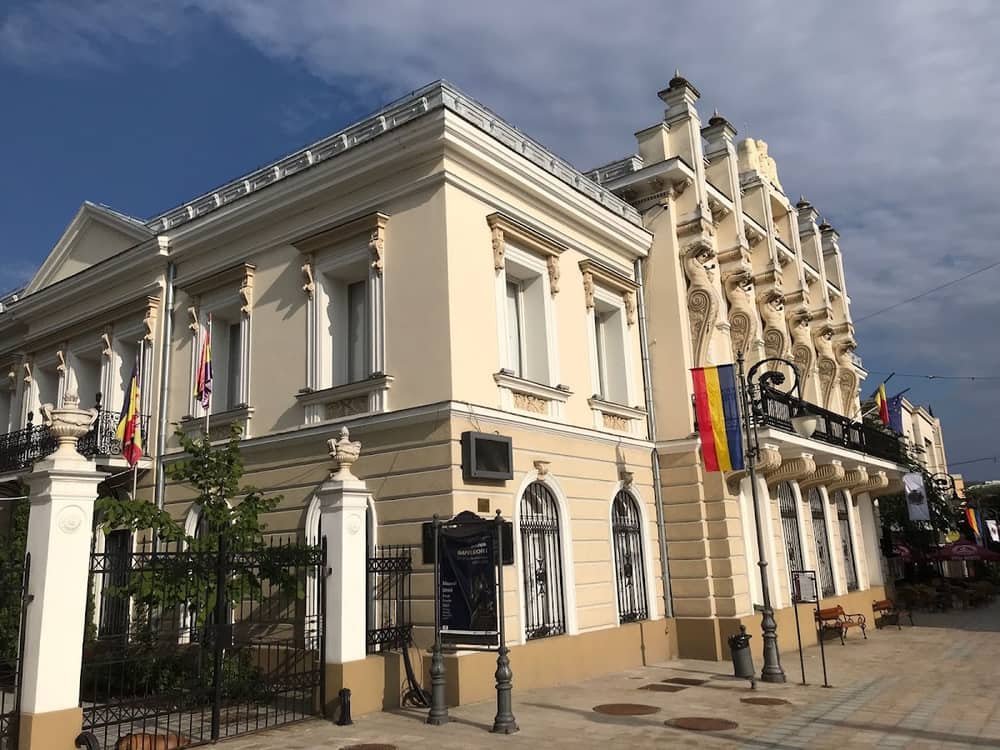
There is an exact moment when Iași stopped being the centre of a country and became something else. It is not 1859, as you might think, but 1862 — the year the state institutions were unified in Bucharest.
What happened next is one of the more interesting bargains in Romanian urban history.
What it lost
On 5 January 1859 the elective assembly of Moldavia chose Alexandru Ioan Cuza as its ruler. On 24 January, Wallachia made the same choice — the ingenious answer to the great powers' ban on the two principalities sharing a single ruler.
Between 1859 and 1862 the resulting state had two capitals, two governments and two assemblies, in Iași and Bucharest. Then the institutions were unified, and within a year Iași lost the entire state apparatus it had accumulated since 1564 — when Alexandru Lăpușneanu had moved the Moldavian capital there from Suceava.
Three centuries of capital status, ended administratively in an exercise in efficiency.
What it got
The compensation was not money but institutions — and it was deliberate:
- The National Theatre, founded in 1840, Romania's first, by Costache Negruzzi, Vasile Alecsandri and Mihail Kogălniceanu. The same generation that was politically preparing the union.
- The Botanical Garden, 1856 — the country's first.
- The University, 1860 — Romania's first modern university, two years ahead of Bucharest's.
To these is added Junimea, the literary society founded in 1863 in Vasile Pogor's house, through which Titu Maiorescu, Mihai Eminescu, Ion Creangă and Ion Luca Caragiale all passed. Junimea fixed the canon of modern Romanian literature.
Why it matters today
Because it explains the shape of the city. Unlike Romania's other large urban centres, in Iași the cultural institutions were not added on top of an industrial economy — they were the reason the city stayed important.
The consequence shows in the numbers. Today the city has five state universities and more than 60,000 students, making it Romania's third education and research centre. The universities are not one institution among others: they are the main industry, with everything that comes with it — rents, catering, transport, retail.
The rhythm of the whole city follows the academic calendar: full from October to May, empty in July and August.
The less comfortable part
An identity built on compensation has a flip side. Iași describes itself through three things — that it was the capital of Moldavia, that it has the country's first university, that it is the city of the Union — and all three refer to the past.
It is at once the city's strength and its problem: a real, verifiable heritage to build on, and a permanent temptation to live off it.
What has happened over the last two decades — the IT sector, the Palas development in the centre, the teaching hospitals serving all of Moldavia — suggests the city has found a second answer too, drawn from the same resource: its graduates.
Read on
- The history of Iași — the full chronology, from 1408.
- Iași, capital of Moldavia — what the title meant, exactly.
- Iași as a university city — how it looks today.
A pattern that has repeated
Iași is not the only European city to have lost capital status and survived through culture — but it is one of the few where the compensation was so explicit and so fast. A university in 1860, two years after the institutions were unified. A national theatre as early as 1840, before the moment. A botanical garden in 1856.
What is instructive is that it worked. A century and a half later the universities are the city's main industry, and the 60,000-plus students set the commercial rhythm, rental demand and cultural programme.
What was lost nonetheless
Not everything is a success story. Along with the state apparatus went the people who served it, and the city entered a long period of provincialisation it emerged from with difficulty. Recovery came in waves: the universities in the nineteenth century, forced industrialisation after 1945, IT after 2000.
And between them, the pogrom of June 1941, which erased a community that had been an essential part of the city's economic and cultural life.
Why this story matters today
Because it explains why Iași looks the way it does. The density of museums, memorial houses and "first in Romania" institutions is not a happy coincidence — it is the result of a policy. And the tension between a heritage built on the past and an economy that has to be built on the future is the city's actual theme, not a critic's observation.
See culture and identity in Iași for how that translates into daily life.
In short
- 1859: Cuza is elected in Iași on 5 January and in Bucharest on 24 January — the de facto union.
- 1859–1862: two capitals, two governments, two assemblies.
- 1862: the institutions are unified in Bucharest. Iași loses the state apparatus within a year.
- The compensation: the National Theatre (1840), the Botanical Garden (1856), the University (1860), Junimea (1863).
- It worked: a century and a half later, the universities are the city's main industry.
- 1916–1918: Iași becomes the capital of Romania again, during the First World War.
- The remaining tension: a city that defines itself by the past has to build the future from the same resource — its graduates.
Frequently asked questions
When did Iași stop being a capital?
In 1862, when the state institutions were unified in Bucharest. Between 1859 and 1862, after Cuza's double election, Iași and Bucharest had functioned simultaneously as seats of the state.
What did Iași receive after losing the capital?
Cultural institutions: the National Theatre (1840, Romania's first), the Botanical Garden (1856, the country's first) and the University (1860, Romania's first modern university).
Which is the first university in Romania?
"Alexandru Ioan Cuza" University in Iași, founded in 1860 — two years ahead of Bucharest's.
Was Iași ever a capital again after 1862?
Yes, between 1916 and 1918, in the First World War, when Bucharest fell under German occupation. The government, parliament, royal family and treasury operated from Iași.
Why is Iași such an important university city?
Because the universities were the compensation for losing the capital, and the city built on them for a century and a half. Today it has five state universities and more than 60,000 students.